





Votre panier est vide.
Isolation phonique Maroc : 5 Must-Have Solutions Beyond Polyuréthane Errors
When considering isolation phonique Maroc, many homeowners and builders default to polyurethane insulation due to its thermal benefits and popularity. However, relying solely on polyurethane often leads to common errors and limited acoustic performance. To effectively address noise pollution and create a comfortable living environment in Morocco’s diverse urban and rural settings, exploring alternative and complementary solutions is essential. This article will uncover five must-have acoustic insulation methods that go beyond the pitfalls of polyurethane, offering enhanced isolation acoustique and long-term satisfaction.
Understanding the Challenges of Isolation Phonique in Morocco
The Moroccan environment presents unique challenges for sound insulation. Rapid urbanization, close housing proximity, and increasing traffic contribute heavily to noise pollution. Traditional construction methods involving concrete and ceramic materials often amplify sound transmission, making effective isolation phonique Maroc a top priority. Polyurethane foam, while thermally efficient, has limitations in absorbing and blocking noise, particularly low-frequency sounds that carry through walls and floors.
Misapplication of polyurethane can result in gaps, insufficient density, or moisture problems that exacerbate sound transfer rather than mitigate it. Therefore, integrating diverse acoustic materials and techniques tailored to local conditions significantly improves results.
1. Mineral Wool: The Natural Noise Barrier
Mineral wool is among the most reliable materials for soundproofing in Morocco. Made from basalt or slag, it possesses excellent density and fibrous texture that traps airborne sound waves effectively. Unlike polyurethane, mineral wool is fire-resistant, mold-resistant, and offers superior thermal insulation alongside sound absorption.
For wall cavities and ceilings, mineral wool batts or rolls can be installed to drastically reduce echo and external noise intrusion, especially in urban areas with high traffic or industrial noise. Its long-term durability makes it an ideal investment for both residential and commercial buildings.
2. Acoustic Plaster and Panels: Enhancing Interior Sound Absorption
Using decorative yet functional layers like acoustic plaster or specialized soundproof panels is a smart way to complement structural insulation in isolation phonique Maroc projects. These materials reduce sound reflections within rooms and improve overall sound quality by limiting reverberation.
Acoustic panels come in various shapes, sizes, and materials—including fabric-wrapped fiberglass, perforated wood, or foam. They can be mounted on walls and ceilings in places where polyurethane alone may not provide adequate damping. This option also allows for aesthetic customization while meeting acoustic needs.
3. Double-Glazed Windows with Soundproof Frames
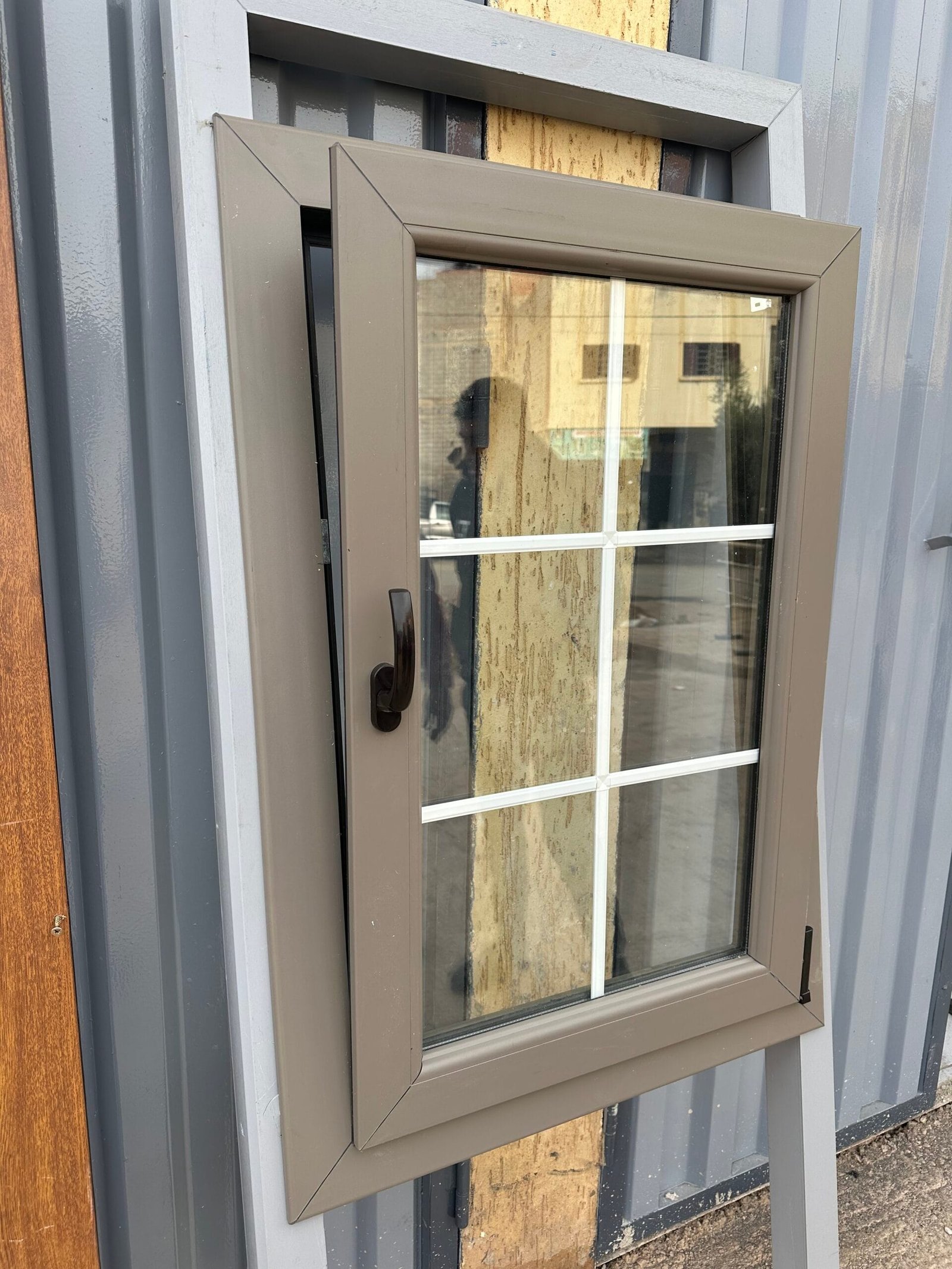
One of the most common weak points in isolation acoustique is windows. Single-pane glass transmits sound easily, especially in busy city centers. Upgrading to double-glazed windows with soundproof frames dramatically cuts noise from outside sources such as street traffic, construction, and neighbor disturbances.
Double glazing creates an air gap and uses layers of glass with different thicknesses, disrupting sound wave propagation. Combining this with airtight window frames prevents vibrations and air leaks, boosting sound isolation effectiveness more than traditional polyurethane wall insulations can achieve.
4. Floating Floors for Effective Vibration Isolation
Floors frequently transmit impact noise—footsteps, furniture moving, or dropping objects—that polyurethane may not address adequately. Implementing floating floors is a popular and efficient solution in Moroccan buildings to mitigate this problem.
Floating floors involve installing a separate floor layer over an elastic medium like rubber mats, cork, or specialized underlays. This decouples the top walking surface from the structural slab, significantly reducing vibrations and impact sound transmission to lower floors or rooms below.
5. Sealing and Decoupling Techniques
Sometimes, the solution to sound issues lies in precision rather than material alone. Proper sealing of gaps, cracks, and joints in walls, doors, and windows is critical for any successful isolation phonique Maroc approach. Even the best polyurethane insulation cannot compensate for poorly sealed penetrations.
Additionally, decoupling construction elements—like staggered stud walls or resilient clips that separate drywall from the framing—breaks sound bridges and prevents vibrations from traveling directly through solid building components. These techniques, used alongside effective insulation materials, provide comprehensive acoustic performance.
Conclusion
Effective isolation phonique Maroc requires a holistic approach that moves beyond the sole use of polyurethane foam. While polyurethane excels in thermal insulation, its acoustic limitations and common installation errors demand alternative and supplementary options. Mineral wool, acoustic panels, double-glazed windows, floating floors, and sealing-decoupling methods together offer Moroccan homeowners and developers reliable, sustainable solutions for soundproofing.
By embracing these five must-have techniques, you can drastically improve your building’s isolation acoustique, enhancing comfort, privacy, and overall quality of life in the noisy environments characteristic of Morocco’s growing urban centers. Soundproofing is not merely about blocking noise but creating balanced, peaceful spaces where residents can thrive regardless of external disturbances.
Related Posts
janvier 8, 2026
Isolation avec la ouate de cellulose au Maroc
Qu’est-ce que l’isolation en ouate de cellulose ? La ouate de cellulose est un matériau…
janvier 26, 2025
Fenêtres PVC double vitrage anti-bruit au Maroc
L’isolation acoustique par l’installation de menuiserie PVC au Maroc : comment améliorer le confort sonore…